The Hidden Cost of Outdated Site Data


Construction projects are living things, evolving every hour, every day. But too often, project teams operate with yesterday’s pictures, stale spreadsheets, or drawings from last week’s revision. And when the field moves faster than the documentation, the result isn’t just confusion — it’s cost.
Why “old data” hurts more than you think
Industry studies show that poor data management and communication are serious drains on productivity and budgets. For example:
- A landmark study cited by Autodesk and FMI Corporation estimated that bad data caused 14% of all avoidable rework — representing ~$88 billion globally in one year. MSUITE+2Bronson.AI+2
- Another source noted that companies generating $1 billion in revenue could lose up to $165 million per year simply due to poor data handling. Premier Construction Software
- In many projects, workers spend more than half their time looking for the right info, managing conflicting files or waiting for approvals, instead of building. BMD Materials+1
When site conditions change — walls moved, utilities rerouted, systems installed out of sequence — but the model, photos, or drawings don’t, teams make decisions in the dark. That lack of visibility leads to cost overruns, schedule slips, and frustrated stakeholders.
The real world costs
- Rework isn’t just a line item, it eats schedule, labor, materials, and morale. Even a 5% rate of rework can push margins into the red. Buildern+1
- Delayed decisions mean site crews wait, and idle time is money lost. Data from one report shows U.S. construction professionals spend up to 14 hours a week on non-optimized tasks like resolving conflicts or searching for documents. BMD Materials
- Claims, disputes, and documentation gaps often trace back to “we didn’t know what changed.” Without a clear record, risk increases dramatically.
How Bimbit helps close the gap
Bimbit transforms outdated data from a silent cost center into a live, shared advantage:
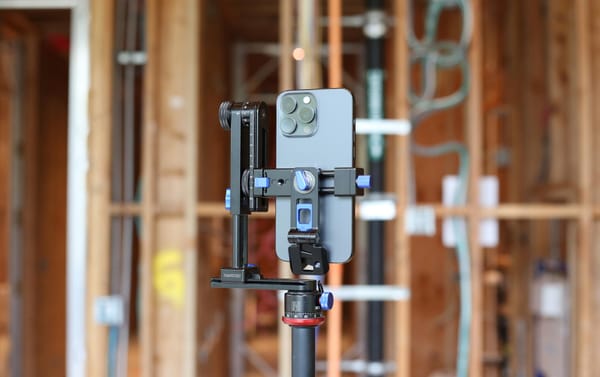
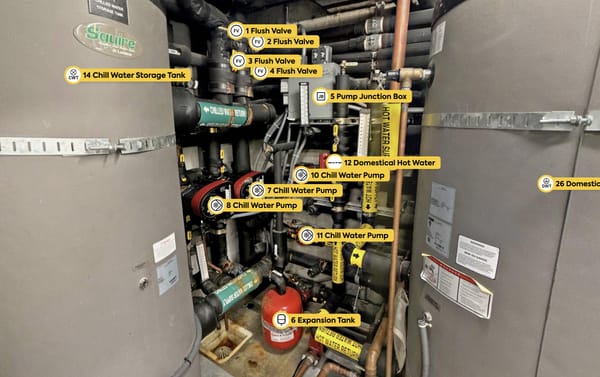
- Real-time 360° captures: Each site visit produces a full-spectrum visual record of reality. Instead of “someone sent a photo,” you explore the space virtually — with clarity, depth, and context.
- Location-anchored updates: Changes are recorded where they happened. A shifted duct isn’t just noted — it’s visible in place, timestamped, and compared.
- Single shared source for all roles: Field crews, office teams, and owners access the same visual environment. No more guesswork about “what drawing version” or “which photo set.”
- Visual timeline & version alignment: With comparisons over time, you see what changed, when, and by whom — so you catch issues early, not after walls are closed.
- Accountability and clarity for all: With transparent records, coordination becomes proactive. Site teams stop reacting to surprises — they act with confidence.
The margin-protecting mindset
When site data is current and shared, you don’t just prevent rework — you protect schedule, materials, and trust. Each hour a crew avoids waiting, each decision made without delay, each asset verified visually — they all add up. In a world where every percent of margin matters, clarity becomes a competitive edge.
Final word
Outdated site data isn’t just inconvenient, it’s expensive. It multiplies risk, erodes trust, and eats into the very profit you’re fighting to protect. With Bimbit, you turn that hidden cost into visible clarity, making alignment, progress, and accountability part of every build.Construction projects are living things — evolving every hour, every day. But too often, project teams operate with yesterday’s pictures, stale spreadsheets, or drawings from last week’s revision. And when the field moves faster than the documentation, the result isn’t just confusion — it’s cost.
Why “old data” hurts more than you think
Industry studies show that poor data management and communication are serious drains on productivity and budgets. For example:
- A landmark study cited by Autodesk and FMI Corporation estimated that bad data caused 14% of all avoidable rework — representing ~$88 billion globally in one year. MSUITE+2Bronson.AI+2
- Another source noted that companies generating $1 billion in revenue could lose up to $165 million per year simply due to poor data handling. Premier Construction Software
- In many projects, workers spend more than half their time looking for the right info, managing conflicting files or waiting for approvals, instead of building. BMD Materials+1
When site conditions change — walls moved, utilities rerouted, systems installed out of sequence — but the model, photos, or drawings don’t, teams make decisions in the dark. That lack of visibility leads to cost overruns, schedule slips, and frustrated stakeholders.
The real world costs
- Rework isn’t just a line item — it eats schedule, labor, materials, and morale. Even a 5% rate of rework can push margins into the red. Buildern+1
- Delayed decisions mean site crews wait — and idle time is money lost. Data from one report shows U.S. construction professionals spend up to 14 hours a week on non-optimized tasks like resolving conflicts or searching for documents. BMD Materials
- Claims, disputes, and documentation gaps often trace back to “we didn’t know what changed.” Without a clear record, risk increases dramatically.
How Bimbit helps close the gap
Bimbit transforms outdated data from a silent cost center into a live, shared advantage:
- Real-time 360° captures: Each site visit produces a full-spectrum visual record of reality. Instead of “someone sent a photo,” you explore the space virtually — with clarity, depth, and context.
- Location-anchored updates: Changes are recorded where they happened. A shifted duct isn’t just noted — it’s visible in place, timestamped, and compared.
- Single shared source for all roles: Field crews, office teams, and owners access the same visual environment. No more guesswork about “what drawing version” or “which photo set.”
- Visual timeline & version alignment: With comparisons over time, you see what changed, when, and by whom — so you catch issues early, not after walls are closed.
- Accountability and clarity for all: With transparent records, coordination becomes proactive. Site teams stop reacting to surprises — they act with confidence.
The margin-protecting mindset
When site data is current and shared, you don’t just prevent rework — you protect schedule, materials, and trust. Each hour, a crew avoids waiting; each decision is made without delay; each asset is verified visually — they all add up. In a world where every percent of margin matters, clarity becomes a competitive edge.
Final word
Outdated site data isn’t just inconvenient — it’s expensive. It multiplies risk, erodes trust, and eats into the very profit you’re fighting to protect. With Bimbit, you turn that hidden cost into visible clarity, making alignment, progress, and accountability part of every build.